
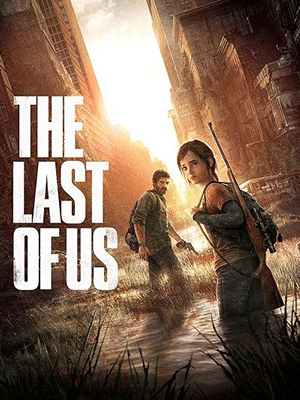
What makes games like The Last of Us so great? What does a video game need to be remembered for a long time?
Those who are currently surfing through the games media landscape will primarily be presented with multiplayer games and, of course, Battle Royale. Every little bit from these hype games is heavily covered in news and via social media. And at the same time, games from former top studios (BioWare) fail due to the calculated loss of their unique selling points (story & character drawing).
In the meantime, renowned authors from the gaming industry explain that it is becoming increasingly difficult today to raise money for good single-player games. This fits into a world where people’s attention span seems to be diminishing, where we are more and more involved in work and everyday affairs and therefore have less and less time for hobbies and games.
Which games are remembered?
But when I think carefully about which games I remember or which games I still talk about regularly even after many years, then it is noticeable that these are not the (half-)yearly recurring series, not the hype games with relatively short lifespans.
At times, new MMOs were launched every few months for a few years, then there were the zombie survival games that dominated the headlines. Of course I played them all, but they didn’t leave a mark in my memory.
Instead, I remember games like Baldur’s Gate, Planescape Torment, Gothic, Half Life 2, the Mass Effect trilogy, Dragon Age: Origins, the Witcher series with its great third part, some GTA games, Pathfinder: Kingmaker and The Last of Us (as well as some more). But why these games, why not some MMOs I’ve played for much longer?
The Last of Us – Characters make games
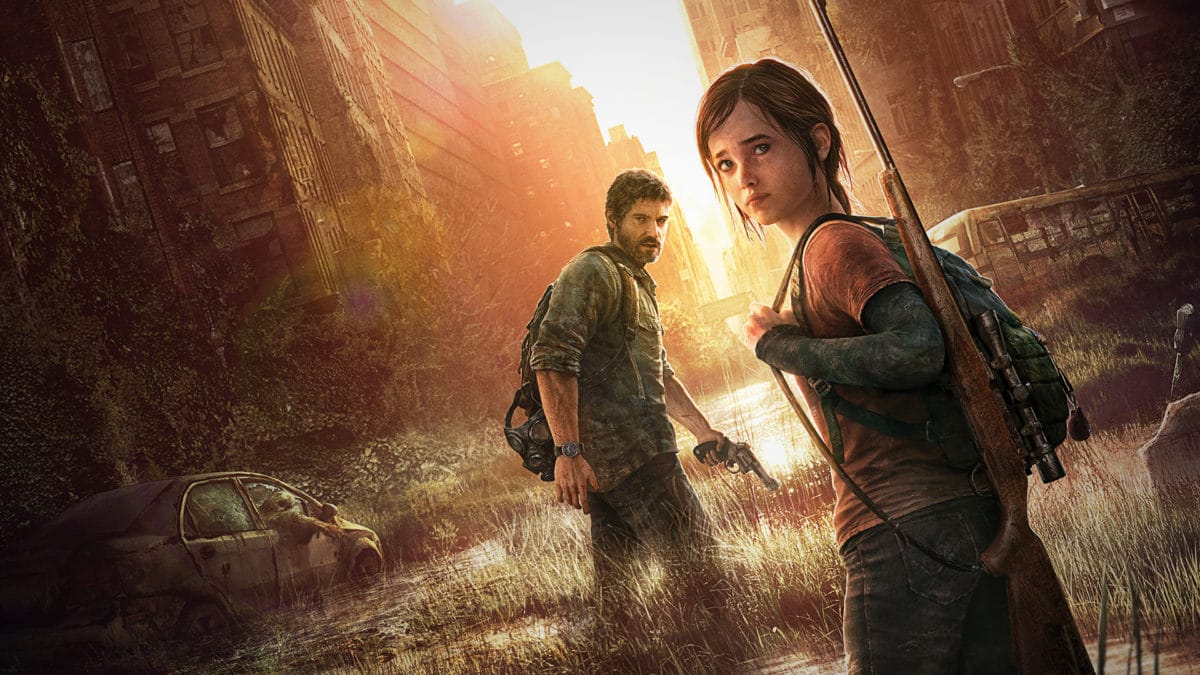
I recently found time to play The Last of Us together with my wife. We played the exciting journey of Ellie and Joel in a relatively short time and were thrilled from beginning to end.
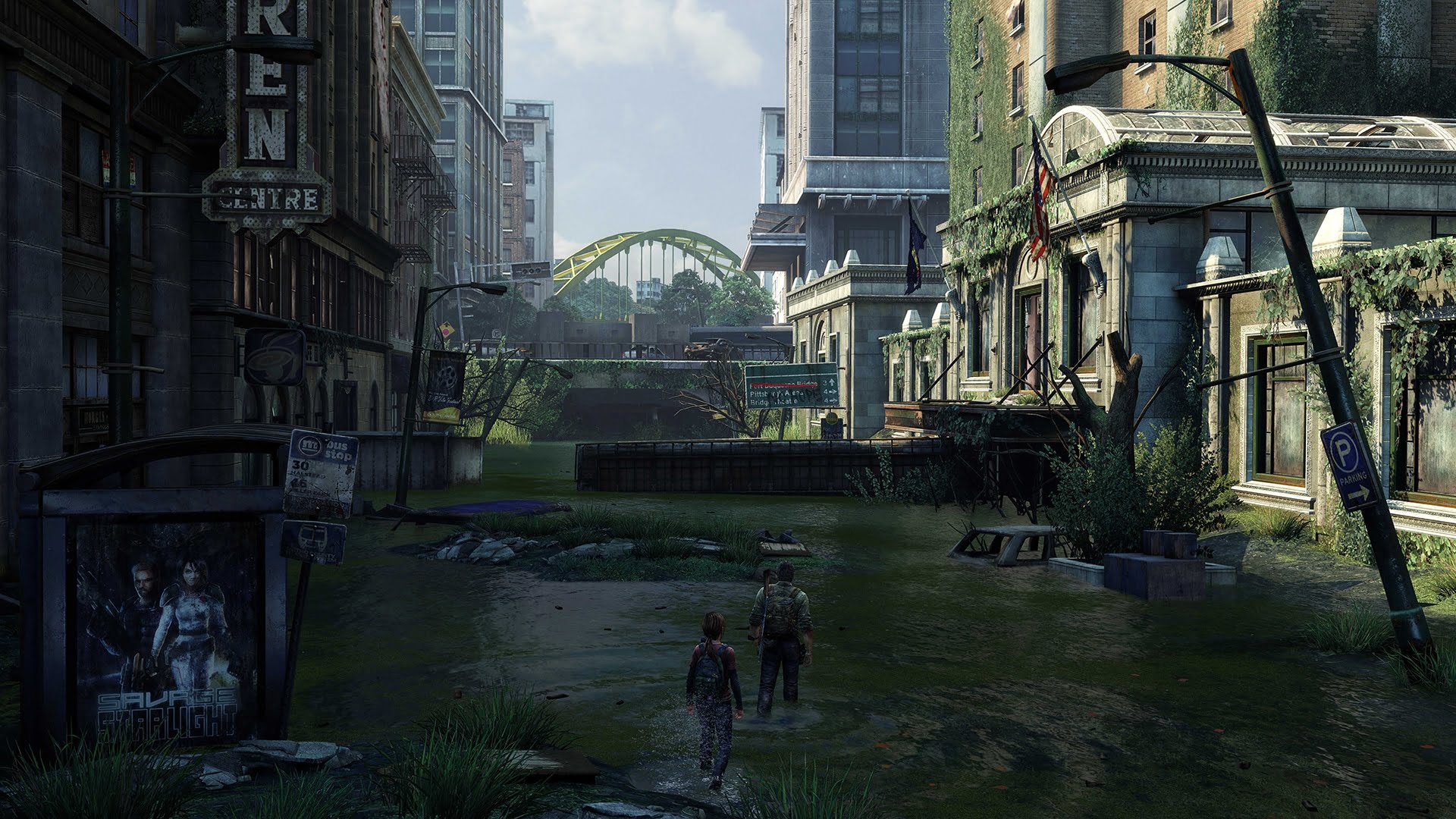
However, the setting of the game, a post-apocalypse caused by a virus, is not really new. Also, the (mostly extremely thrilling!) gameplay with regularly recurring elements makes for frequent repetitions. To sneak through clicker-infested, half-decayed buildings or to fight against mad Hunters always contains the same gameplay.

But that doesn’t harm the game at all. Because the brilliance of this game lies not only in the believable world, which brings a fantastic atmosphere with it: Above all, it succeeds in the absolutely great character depiction within a well thought-out and carefully staged story.
Character development creates depth of relationship
The evolution of young Ellie in the first half of the game, the slow approach to father figure Joel and his transformation from an annoyed lone fighter to a protector (and father) was almost perfectly orchestrated by developer studio Naughty Dog. There are no lengths in the story, unexpected things happen again and again and the characters remain authentic throughout the whole game.
Emotionally stirring events always provide for great moments that I will remember for a long time. Few gaming experiences are as satisfying as hearing Ellie say “asshole” with complete contempt after she has eliminated a mean Hunter.
Lasting impression through authenticity
In addition, subtle character nuances become apparent in the cutscenes and conversations, through which I build up a relationship with these characters. This includes, for example, Joel’s reactions to other people or Ellies’ total loyalty behind the slightly rebellious teenage façade. It feels real, I can understand it, it fits perfectly into the overall picture.
By the way, the side characters of the game also received the same attention. There are no decals here, only personalities.
All this makes me think about what I actually experienced while the credits are being played. I am impressed, I would like to experience more with them, get to know them even better, see how the story continues.
This depth can’ t be found in games that are built according to the book, that have been providing me with the same missions and quests for years, or that rely on fast, short-term satisfaction through multiplayer action.
Video games: Curriculum Vitae Milestones
Don’t get me wrong, multiplayer games have their full legitimacy and are a lot of fun. Fast food is cool every now and then, but it doesn’t saturate for long. Multiplayer games – apart from some big MMOs – almost always lack this emotional depth, which only good, well thought-out singleplayer games can offer.
The Last of Us is such a game with a long-term effect. And that is only because its story and characters are of highest importance.
That way, memories are created for me that remain and leave a good feeling even years later. If someone asks me today about the milestones of my life so far, then there are various video games contained, mostly games that shine through story and characters. These games have a substance that still lives on in my memories.
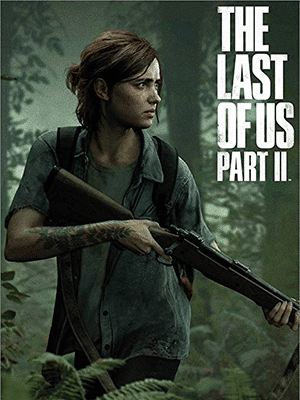
The Last of Us is such a milestone. I hope The Last of Us 2 will be just as good. And I hope Squadron 42 will also be a moving, extraordinary single-player experience.
What remains are stories
Battle Royale is just the hot shit and “Games as a Service” both buzzword and future hope of publishers and developers. Multiplayer is the new holy grail of the industry, but I think the best games are still those with character(s). I love good stories and excellent characters and I refuse to believe that quick and short shooters will be the ultimate future of video games.
Although The Last of Us even has a multiplayer mode.

Actually, video games are like people. The people we remember with pleasure even after many years or with whom we regularly hang around are people with character.
They have rough edges, but above all they have a story. We often share this story or part of it and that’s why we don’t forget about them. It’s the same with games like The Last of Us. We don’t forget them because they left a deep impact with their story.
Good games are clearly a question of character.