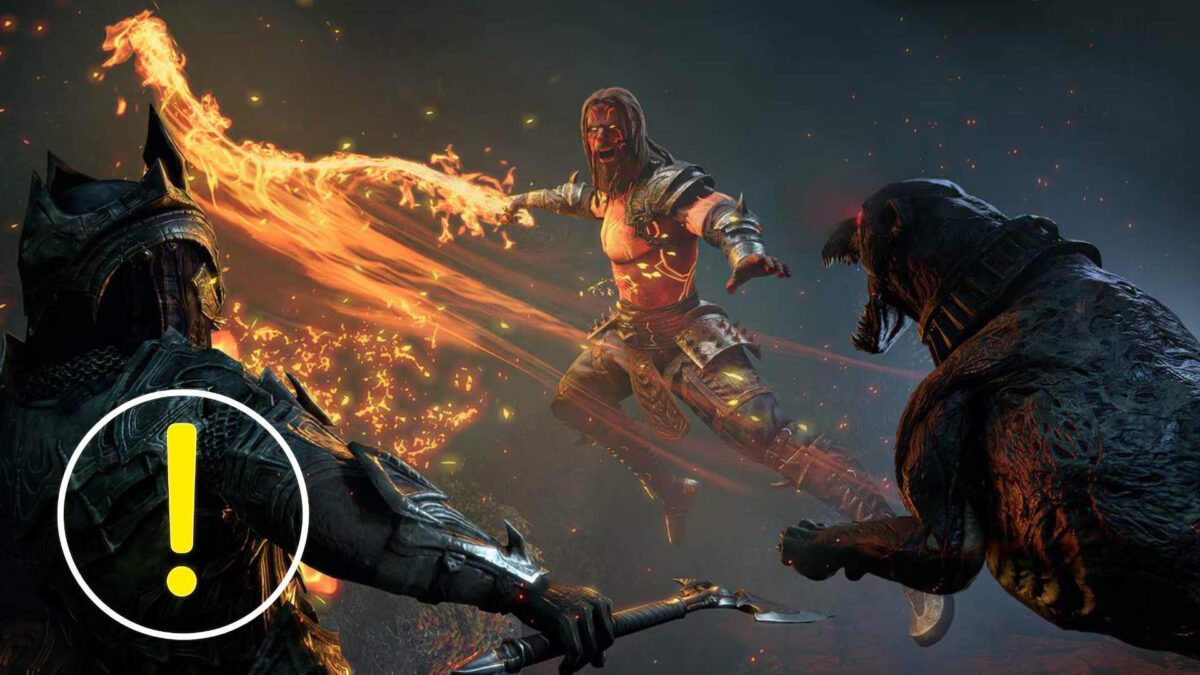

The Elder Scrolls Online introduces Seasons. We explain the new system and share details on content, rewards and the first Season Zero.
With Seasons, The Elder Scrolls Online (ESO) fundamentally changes how new content is released, experienced and rewarded. Instead of large, paid yearly chapters, ZeniMax Online Studios is moving toward a continuous, seasonal update rhythm. For veterans and newcomers alike, this marks a major shift in gameplay structure and overall philosophy.
This article explains in detail what the new Seasons system is about, which types of content typically come with a Season and why Season Zero, launching in April 2026, plays a special role.
What does a “Season” mean in ESO?
A Season in The Elder Scrolls Online is a time-limited content cycle with a fixed duration of around three months. Each Season follows its own theme and bundles multiple updates and features that unfold over that period.
Most importantly, all new gameplay content included in a Season, whether it is a new zone, dungeon, storyline, system, class, skill line, or questline, is free for all base-game players. Only optional premium tracks within a Season’s Tamriel Tome remain paid.
- Note: Diablo 4 also uses a seasonal model with cycles lasting around three months. Most recently, Season 11 launched here.
Why is The Elder Scrolls Online introducing Seasons?
Until now, ESO followed a clear annual structure, a major chapter in summer, supported by several DLCs throughout the year. While successful, this model also had downsides, such as higher barriers for returning players and a more fragmented player base.
With Seasons, ZeniMax aims to achieve several goals:
- Simultaneous access to new content for all players
- More frequent updates instead of large content drops
- More room for experimentation and community feedback
- A stronger focus on the base game and its core systems
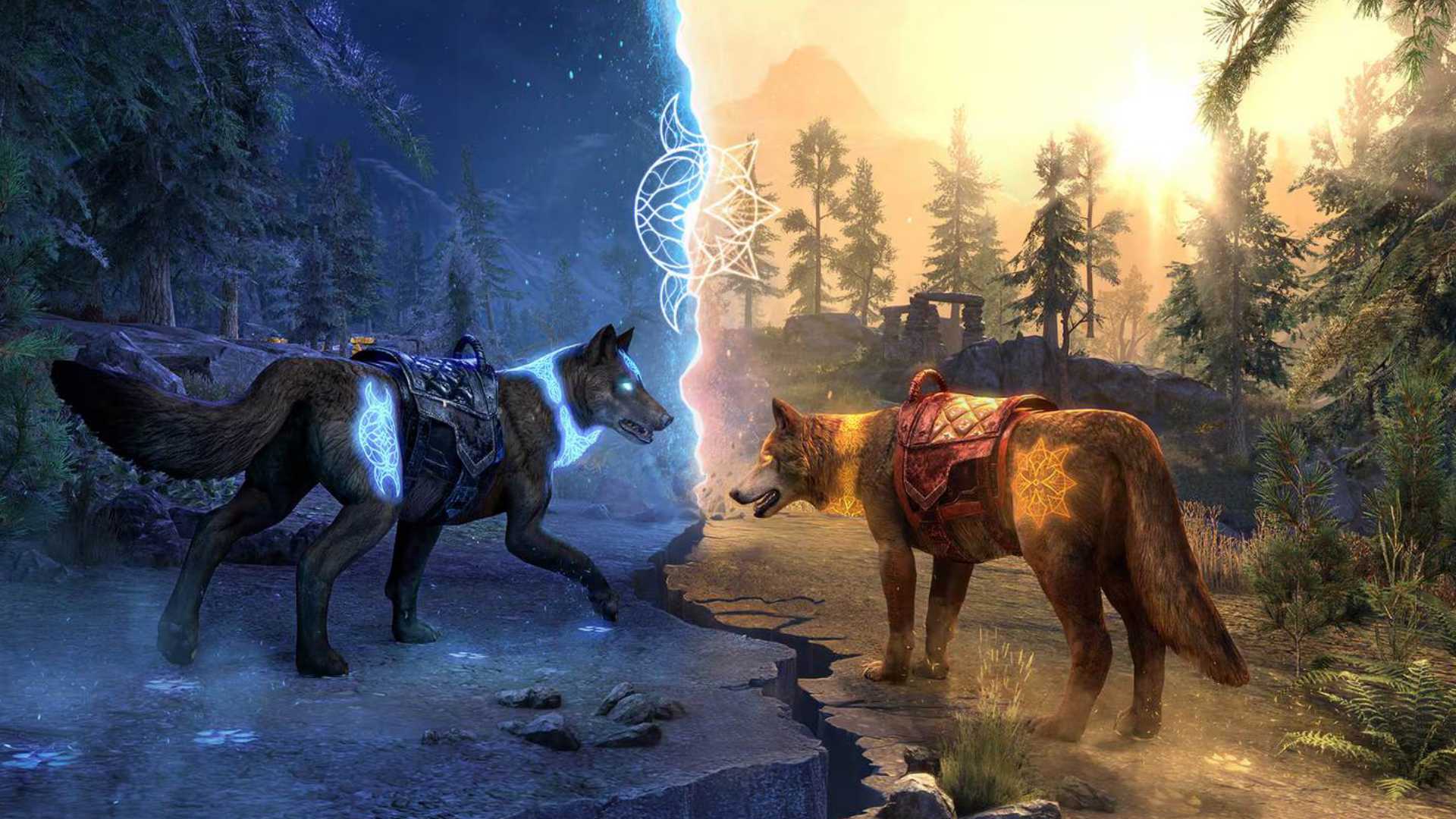
How long does an ESO Season last?
Each Season runs for roughly three months. Content is not necessarily released all at once but rolled out over time. Updates, events, or new systems may unlock later during the Season.
This creates a dynamic flow that keeps players engaged over several weeks, without the pressure to complete everything on day one.
What kind of content can a Season include?
The exact scope varies from Season to Season, but there are recurring core elements.
New gameplay content
Depending on the Season, this may include:
- new zones or time-limited areas
- questlines or self-contained stories
- new systems, classes, or skill lines
- additions for PvE or PvP
Not every Season includes all of these, keeping each one thematically distinct.
Base-game changes and improvements
A key element of Seasons is permanent improvements to the base game, such as:
- quality-of-life additions
- balance changes
- performance updates
- reworks of classes or skill lines
These changes remain in the game even after a Season ends.
Tamriel Tomes, ESO’s battlepass-like system
Seasons introduce a new reward system called Tamriel Tomes.
- players complete weekly and seasonal challenges
- they earn Tome Points
- these points can be used to unlock rewards across multiple pages
Tamriel Tomes are free for all players, but offer an optional premium track for additional rewards. A player-friendly feature, with the paid version you can continue unlocking rewards even after the Season ends.
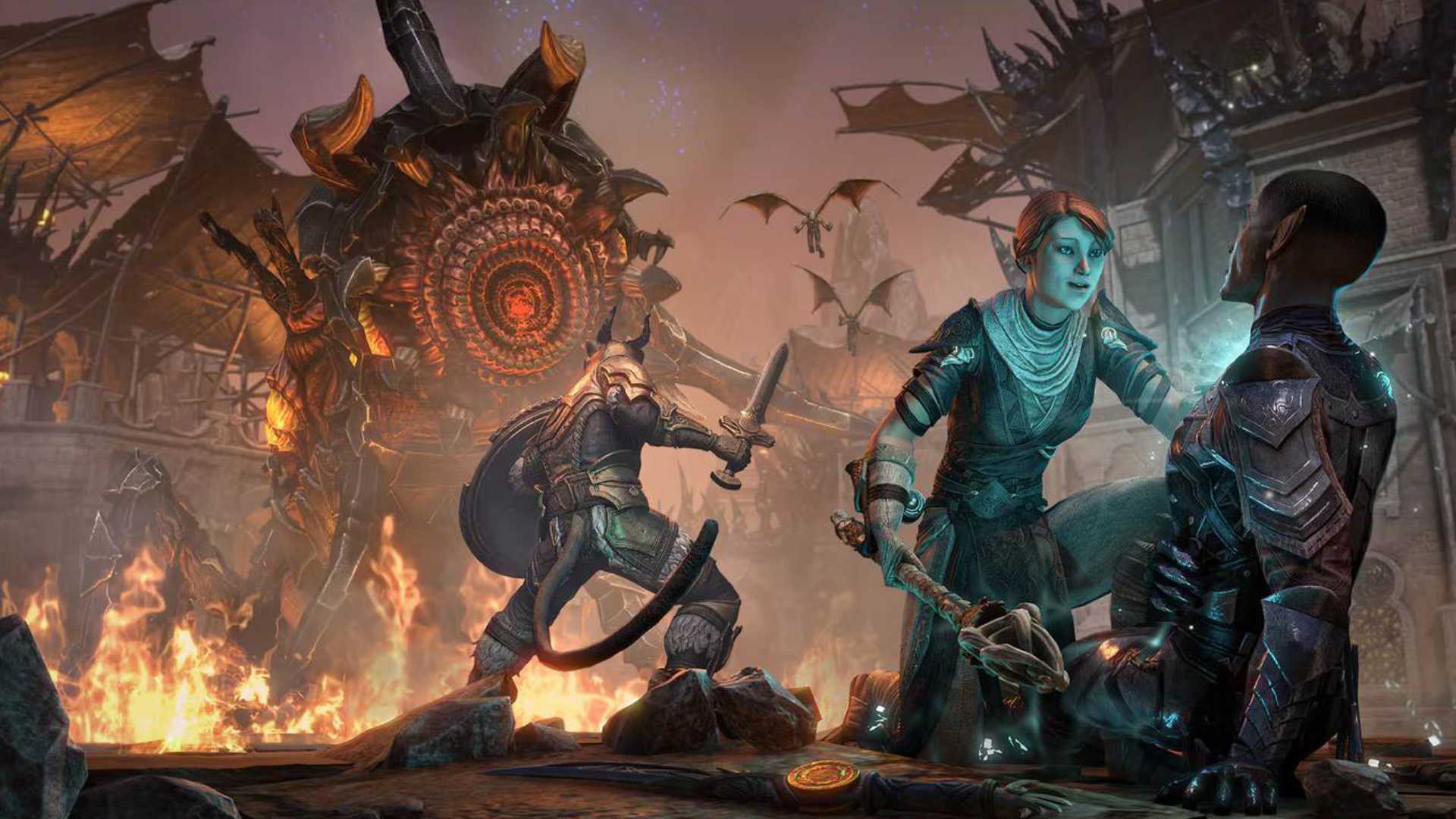
Gold Coast Bazaar
Also new is the Gold Coast Bazaar, an in-game rewards store that gives you more opportunities to unlock previously available collectibles, plus a few new options.
Items rotate with each Season and can be claimed using Trade Bars, a new currency earned in-game. Event Tickets are automatically converted into Trade Bars. Trade Bars have no cap and cannot be purchased with Crowns.
The Bazaar arrives on March 25, 2026 with initial offerings and expands once Season Zero formally kicks off on April 2, 2026. Around 100 items will be available at Season Zero’s launch.
Season Zero: Dawn and Dusk
Season Zero: Dawn and Dusk officially begins on April 2, 2026 and runs until July 8, 2026. Note that some base-game changes go live earlier with Update 49 on March 9, 2026, just ahead of Season Zero’s debut.
The Night Market, the first Event Zone
The Night Market is a brand-new type of zone experience, an “Event Zone”, debuting with Season Zero.
- Opening: April 29, 2026
- Closing: June 17, 2026
- Location: Fargrave (Oblivion)
You choose one of three unique factions and pledge your service in a gauntlet of challenging PvE encounters. The Night Market also features new stories, characters and quests, plus a new in-game home earned only via gameplay. While access closes in June, Event Zones are intended to return in later Seasons, including opportunities to pick a different faction in future appearances.
Player experience improvements (quality of life)
Update 49 and Season Zero include the first wave of quality-of-life changes, developed by a dedicated internal team focused on identifying and solving player pain points. Early improvements include:
- the ability to respec Skills and Attributes directly from the UI at no cost
- increased speed for training Riding skills
- increased furnishing limits on half of the game’s player houses
- a return to the 30-day listing window for Guild traders
- 16 mounts moved from the Crown Store to gold vendors
- increased expiration times for rarer Antiquities
- a change that makes Outfit Slots account-wide
More changes and additions are planned for later in the Season.
Combat and class refresh
Update 49 and Season Zero continue the work to review and improve ESO’s core combat experience, introducing changes to the Dragonknight class. This includes a visual refresh for many abilities and a rework of its core skill lines.
The Season also brings a visual refresh for the Two-Handed Weapon skill line. Later in the Season, a major werewolf visual revamp is planned, including a female werewolf model.
Tamriel Tome: Tome of Dawn and Dusk
The first Tamriel Tome is called the Tome of Dawn and Dusk. It is a battlepass-like system where you complete weekly and seasonal challenges to earn Tome Points. As you earn more Tome Points, new pages open with more rewards to choose from, and you decide whether to spend points right away or save them for later.
New challenges for PvE and PvP
Late in Season Zero, two major gameplay additions arrive:
Challenge Difficulty (PvE)
Challenge Difficulty is the first step in a new system that enhances overland gameplay. It lets you opt into a more difficult and more rewarding version of the overland content.
Vengeance PvP Progression System
Rank up and progress to earn new rewards and even unique passive abilities for the Vengeance PvP campaigns.
Outlook on future Seasons
Season Zero serves as the foundation for future Seasons. Announced previews include:
- a new Thieves Guild questline
- the return of Sheogorath
- a new end-game Trial
- solo dungeons
- a new event on the high seas
- additional class and combat refresh work
An official roadmap shows how Seasons will continue throughout 2026.
Source: ESO