

Resident Evil Requiem thrives on switching between fear and adrenaline. Why Grace and Leon could hardly be more different, and how that contrast redefines the horror, is exactly what you will find out here.
In Resident Evil Requiem, Capcom deliberately leans into two distinct approaches in the ninth mainline entry. Grace Ashcroft and Leon S. Kennedy do not just represent two characters, but two clearly separated gameplay philosophies. How they differ, and why that contrast dictates the game’s pacing, is what we break down here.
Grace Ashcroft: Survival Horror in First Person
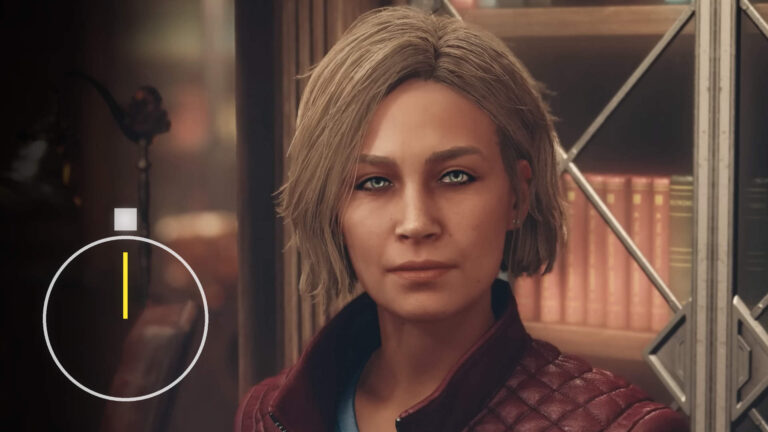
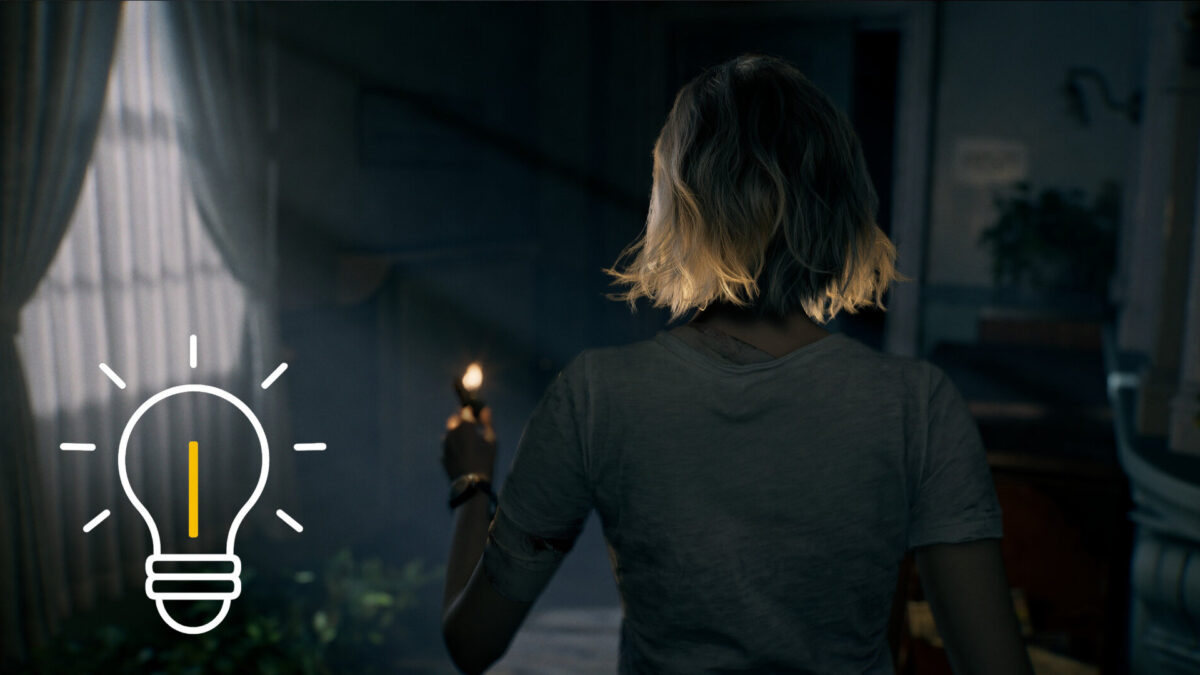
Grace is not a trained fighter. Her playstyle is defensive and follows the classic survival principle. Resources are limited, enemies are a serious threat, and direct confrontations are usually a risk.
You move through the world mostly in first person. That reduces your overall awareness and intensifies your immediate perception of the environment. Sightlines are tighter, sound becomes more important, and encounters often happen at close range.
The mechanics force you to weigh each situation. Dodging, hiding, or deliberately avoiding enemies takes priority. In that sense, Grace’s sections echo the direction of Resident Evil 7 and place a feeling of vulnerability front and center.
Leon S. Kennedy: Control and an Offensive Playstyle
Leon S. Kennedy takes over the more action-driven sequences in Resident Evil Requiem. He shows up as a seasoned field veteran who has survived previous outbreaks and carries himself with that kind of confidence.
His chapters focus more heavily on direct confrontation. You have access to more effective weapons, additional melee options, and a broader set of tactical tools. Structurally, the combat system calls to mind Resident Evil 4, while still remaining firmly embedded in the game’s darker overall tone.
- Note: We have also put together a recap of the most important characters in Resident Evil 9.
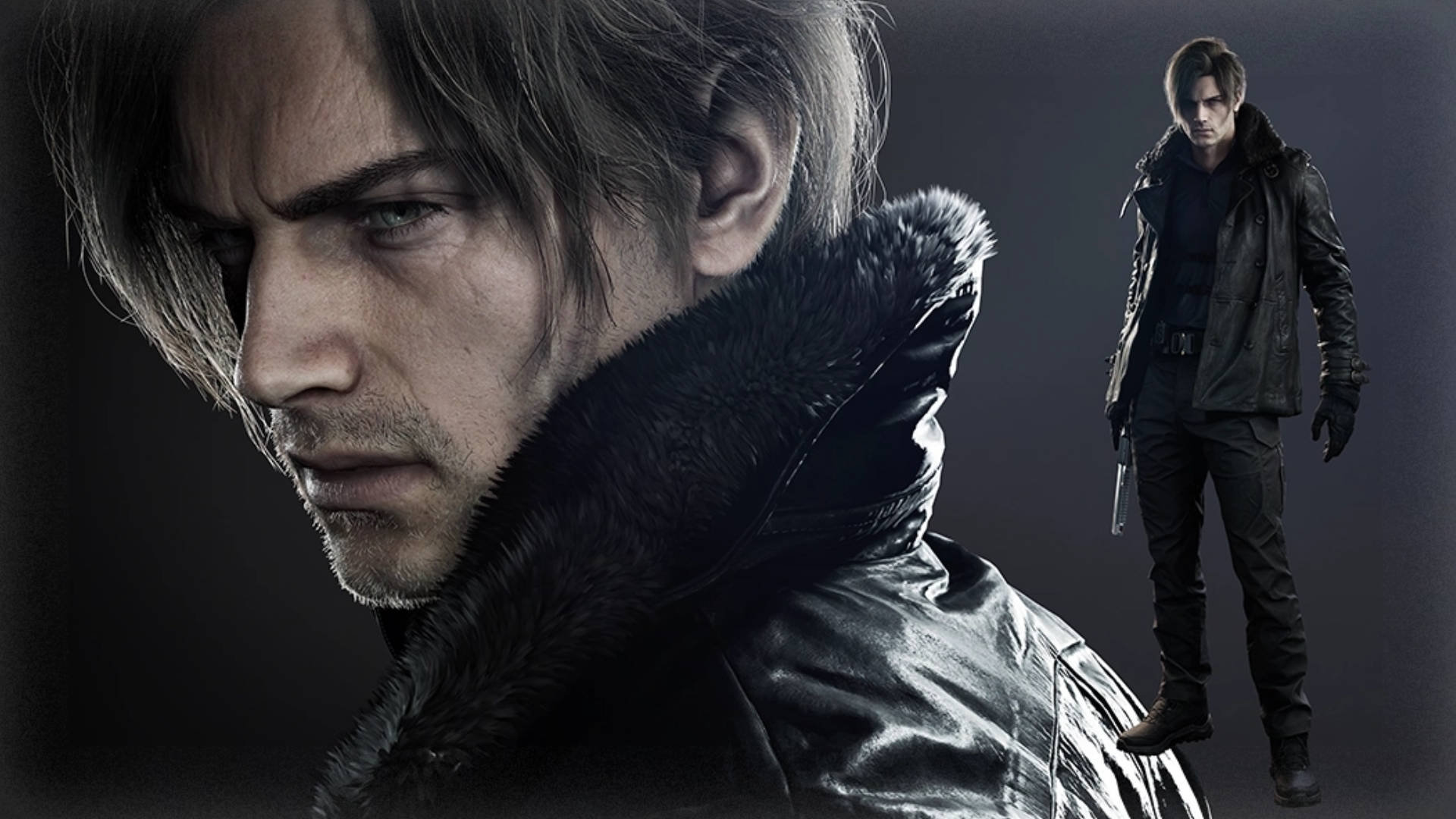
Leon is played in third-person over-the-shoulder view by default, while Capcom recommends a first-person perspective for Grace. However, you can switch between viewpoints at any time with both characters. Especially with Leon, both third-person and first-person work well, so changing perspectives depending on the situation can make sense. The over-the-shoulder camera offers more battlefield awareness and control, making it easier to assess enemies and read environments. The focus here is less on escape and more on active confrontation.
Contrast as a Core Design Element
Switching between Grace and Leon is not just a change in perspective, but a structural pillar of the game’s design. Longer, cautious stretches with Grace are broken up by more dynamic sections with Leon.
This creates a clear rhythm. Defensive phases build tension, offensive sequences shift the balance of power in the player’s favor. That contrast enhances both playstyles, without one overshadowing the other.
Resident Evil Requiem uses Grace and Leon with intent, bringing two core identities of the series together. Instead of choosing between survival horror and action, the game relies on a controlled crossover of both approaches.