

Only one new VR game cracked Steam’s most-played PC VR list in 2025—a statistic that casts a long shadow over the medium’s trajectory.
Every year, Steam breaks down the most popular VR games on its platform, ranking them by unique users over the calendar year and sorting them into four tiers: Platinum, Gold, Silver, and Bronze. In 2025, only a single new release made the cut: the eyebrow-raising dating sim “VR Secretary: Ailey Edition,” which landed in the Silver tier. That’s it—just one title representing the entire year’s crop of new VR games.
Oldies Rule the Charts
The upper ranks remain a parade of familiar faces. Longstanding bestsellers like Beat Saber, Half-Life: Alyx, Boneworks, and The Elder Scrolls V: Skyrim VR still dominate, as do social hubs like VRChat and Rec Room. Most of these games are between five and ten years old. The most recent entries in the Platinum and Gold tiers are the fantasy action game Blade & Sorcery and the tactical shooter Pavlov, both from 2024.
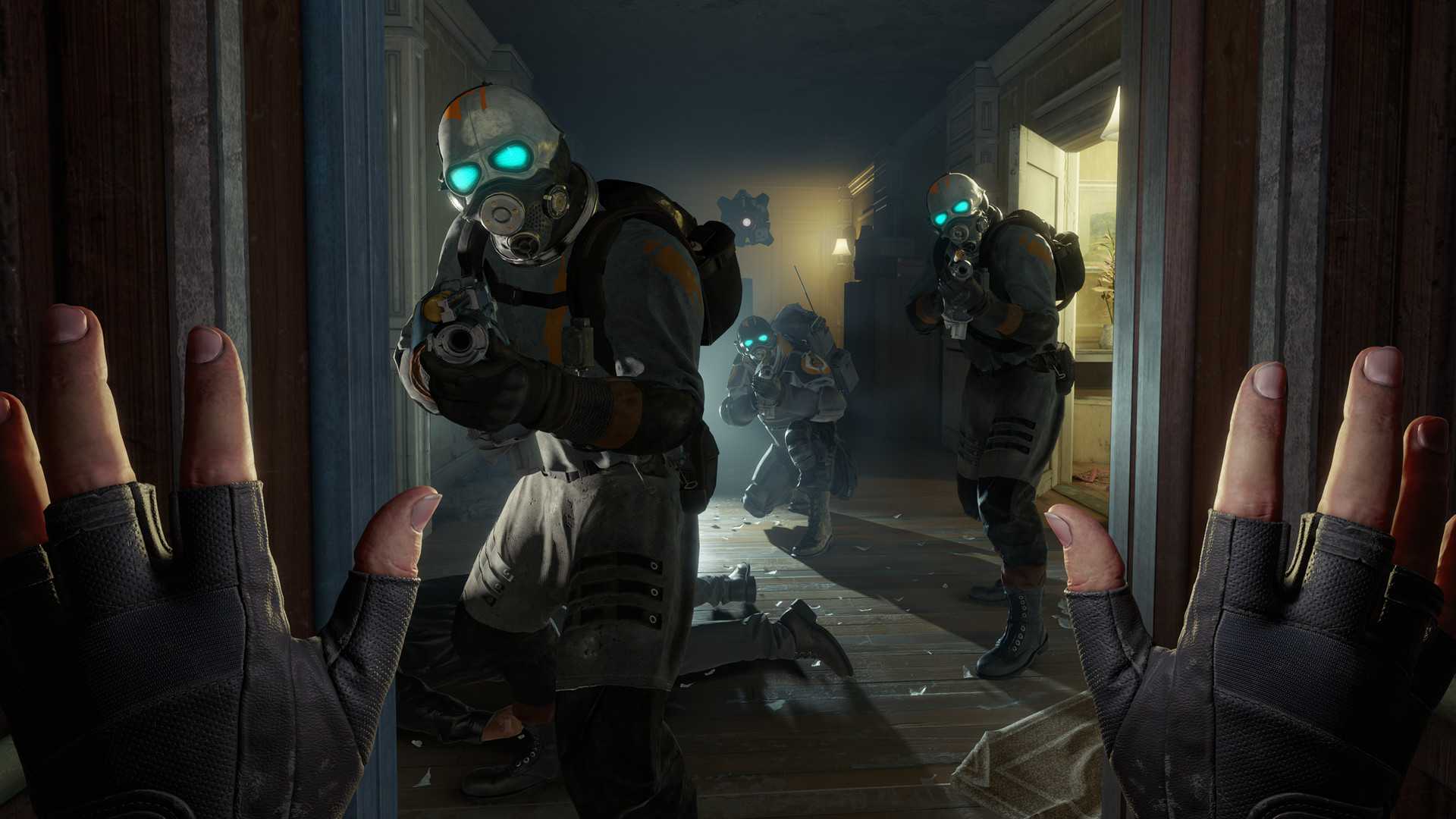
VR ports and VR modes for major franchises continue to prop up the list. Titles like No Man’s Sky, Fallout 4 VR, and Assetto Corsa, plus the ever-resilient Half-Life 2: VR Mod, owe much of their staying power to active communities. The fact that Ark: Survival Evolved still clings to the charts—even with its notoriously spotty VR mode—probably raises a few eyebrows.
Also worth reading:
Does VR Have a Visibility Problem on Steam?
The scarcity of new games on the leaderboard highlights a broader issue: a lack of investment in fresh, original VR content. While plenty of new VR titles hit SteamVR in 2025, big-budget productions like Thief VR: Legacy of Shadow or Reach were rare—and none of them managed to break into the most-played list.
VR forums have been buzzing about how hard it is to discover new VR games on Steam. In 2025, VR barely registered on Steam’s front page, and the usual Valve-driven promotions—pop-ups, banners, you name it—were conspicuously missing. For newer titles, that means discoverability is almost entirely user-driven; you have to go looking for them, which is a tough proposition for indie studios hoping to break out.
The bottom line: 2025 offered precious few sparks of innovation or momentum from new VR content. Unless platform holders like Valve step up to give new VR experiences more visibility, small studios will keep struggling to reach audiences. Maybe the upcoming Steam Frame—Valve’s first standalone VR headset—will help by pushing VR back into the limelight, but that remains to be seen. Valve, for its part, now has a clear incentive to put VR back on center stage if it wants its hardware and software ecosystem to thrive.
Source: Steam VR Statistics 2025