

Code Vein 2 puts a strong focus on cooperation and expands the familiar partner system with new tactical layers. Here is everything you need to know.
Code Vein 2 opens a new chapter for the Japanese Soulslike and puts your companions more firmly in the spotlight than ever before. The partner system is no longer just support on the sidelines. It becomes a core part of every combat decision. You do not plan alone, you do not survive alone, and you only win fights consistently if you use your partner correctly. With this approach, Bandai Namco aims to welcome newcomers while also challenging veterans who want to dive deeper into the mechanics.
Partners Are More Than Companions
In the first game, partners mainly served as help for difficult sections. In Code Vein 2, they go much further. Every partner brings their own combat style, abilities, and bonuses that have a noticeable impact on your build. You are not just choosing a character, you are choosing a playstyle. Defensive protection, aggressive frontline pressure, or long range magic all depend directly on who fights at your side.

The game also ties partners more closely into your resource management. Partners share blood, restore Ichor, and influence how long you can use your abilities. This makes the interaction feel tighter and more personal, as mistakes or smart decisions have immediate consequences.
New as well is the fact that partners can use their own Drain Attacks and special actions. These moves are not only about dealing damage, they actively refill your Ichor reserves. Especially in longer fights, this creates a clear loop of attacking, gaining resources, and using abilities again.
Summoning or Assimilation in Combat
The core of the new system is the switch between two combat approaches. You can summon your partner in the classic way and let them fight independently. This is especially useful against groups of enemies, when you need to split attention and create breathing room. The partner attacks, supports with abilities, and buys you time.
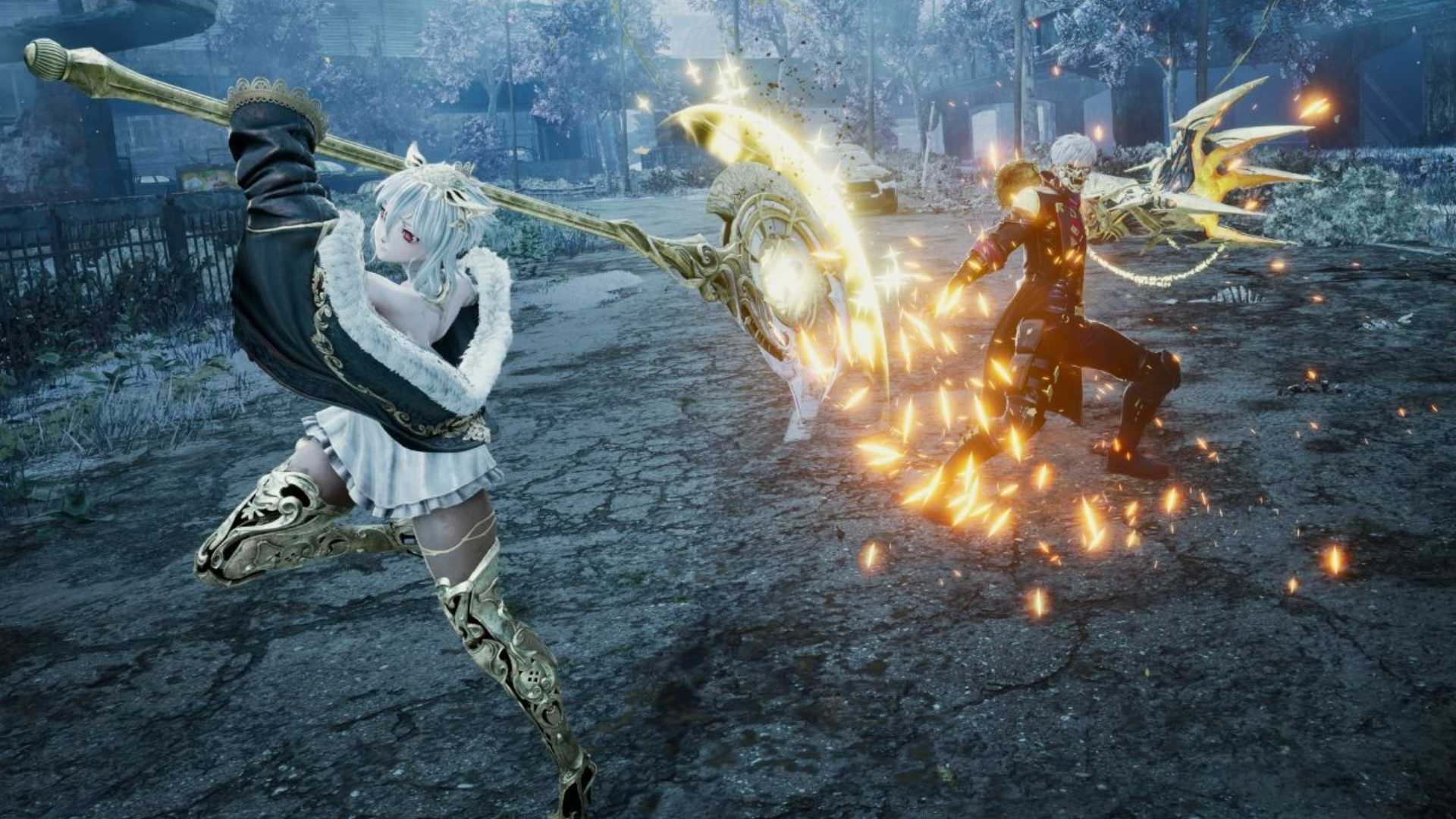
Alternatively, you can choose Assimilation. In this mode, you merge with your partner and gain improved stats as well as additional effects. This form is especially suited for boss fights or duels where control matters more than sheer battlefield presence. Switching between both options forces you to constantly evaluate which solution fits the current situation.
It is important to note that neither form is simply stronger or weaker. Each carries its own risks. While a summoned partner can draw damage away from you, Assimilation removes that distraction but grants precise control and consistent bonuses in return.
Link Points as a Tactical Lifeline
New to Code Vein 2 are so called Link Points. They represent the bond between you and your partner and act as an additional layer of protection. Damage is applied to this bond first before your actual health is reduced. As long as the connection remains stable, you benefit from your partner’s active bonuses.
Healing also works differently. Health is restored first, and any excess healing flows back into the bond. This creates a system that rewards careful play and punishes hectic mistakes. You need to keep an eye not only on your own health, but also on the strength of your connection.
If the bond breaks, you lose not only this protective layer but also all effects tied to it. Link Points are therefore not just a second health bar, but a tactical state that directly influences your combat power.
Abilities, Traits, and Clear Roles
Each partner comes with fixed traits that shape your playstyle. Some boost stamina, others enhance magic or provide more stability when attacking. These effects cannot be swapped and make your partner choice permanently relevant. As your bond grows, these bonuses become stronger, making the relationship feel tangible through gameplay.
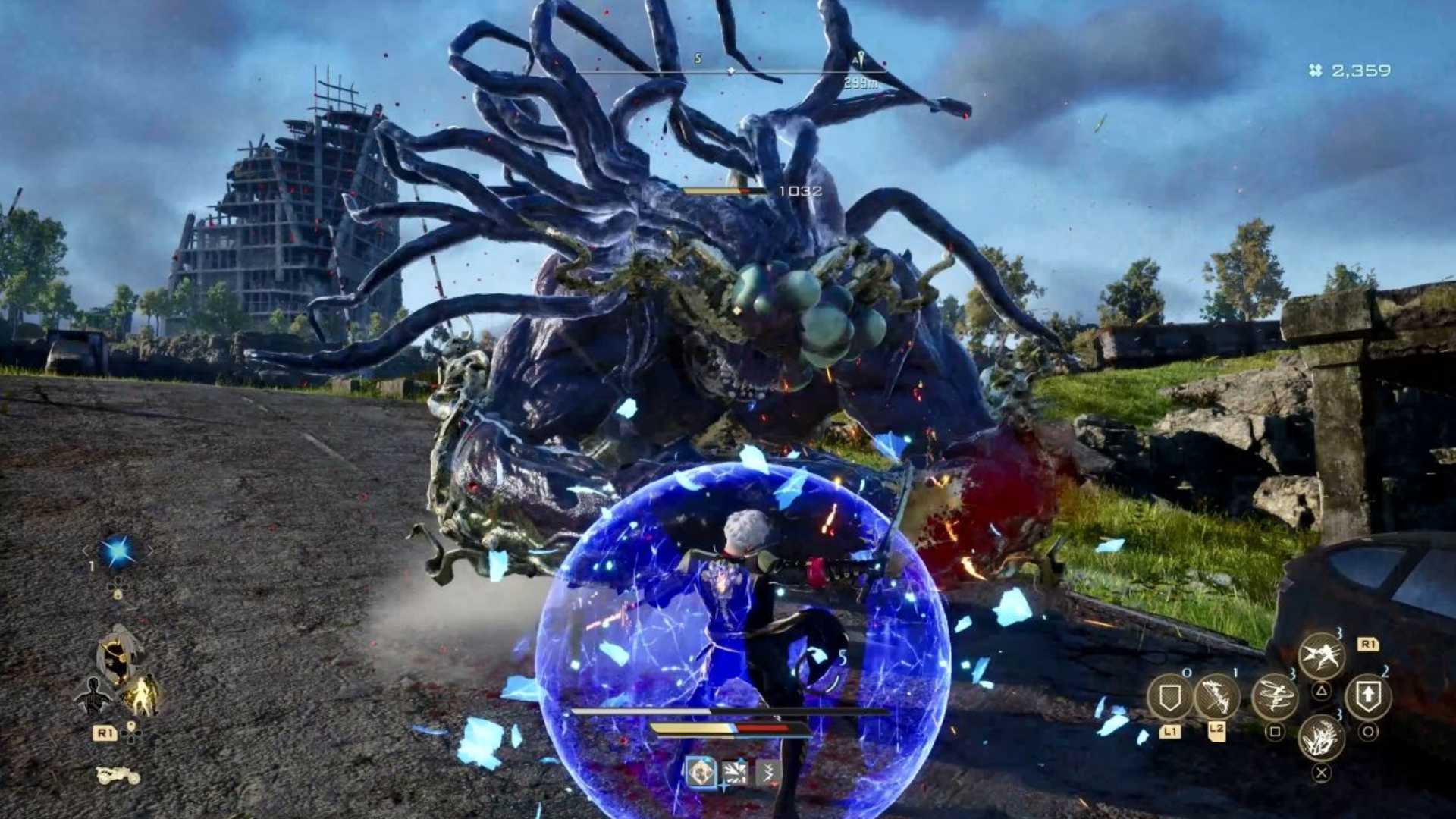
On top of that, there are special abilities ranging from area attacks and buffs to status control. Some partners excel in close combat, others dominate from range or support you with healing and protection. You quickly realize that not every companion fits every build, and that experimentation is rewarded.
The game distinguishes between permanent partner traits and so called Link Traits. The latter are only active as long as your bond remains intact. This creates a clear incentive to play defensively and cleanly, as powerful effects are directly tied to the state of your connection.
Revival Comes at a Risk
If you fall in battle, your partner can bring you back. However, this is not a free pass. After the rescue, the partner is briefly taken out of action, and each subsequent revival becomes weaker. Relying on it too heavily puts you in serious danger.
Revival also consumes valuable resources and weakens the bond. The more often you are saved, the more unstable the partnership becomes.