
A decade of Meta’s outsized influence left the VR industry bloated, brittle, and stuck in a holding pattern. Now, as Meta pulls back, there’s turbulence—but also, maybe, a long-overdue chance for a genuine reset.
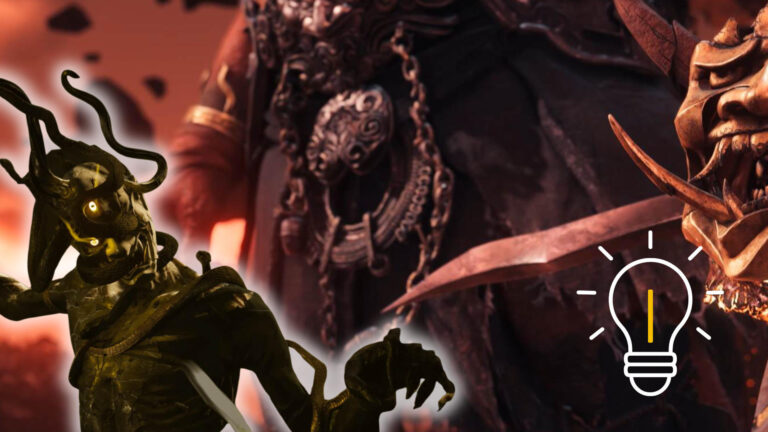
On January 14, 2026, the New York Times and UploadVR broke the news: Meta is laying off around 1,500 employees from Reality Labs and shutting down three of its flagship VR studios. Sanzaru Games (the team behind Asgard’s Wrath 1 & 2), Twisted Pixel (Marvel’s Deadpool VR), and Armature Studio (Resident Evil 4 VR) are all out. The impact? Seismic—but not shocking. It’s the inevitable result of a decade in which Meta funneled billions into VR, shaping the space in its own image, but never quite delivering on the promise. That Meta is now pivoting to “wearables” and Ray-Ban-branded AI glasses—and quietly shelving its metaverse ambitions—is less a bold strategic move than a white flag.
Too Much, Too Fast—and All in the Wrong Direction
It started with an explosion of optimism. When Facebook snapped up Oculus in 2014, the tech world lost its mind: this wasn’t just a big buyout, it was a signal that VR might become the next big thing. Mark Zuckerberg told anyone who’d listen that VR would be “the next major platform” after smartphones. Fast forward through $70 billion and ten years, and what’s left? A market that spent way too long stuck in Meta’s orbit, and a vision that evaporated into thin air.
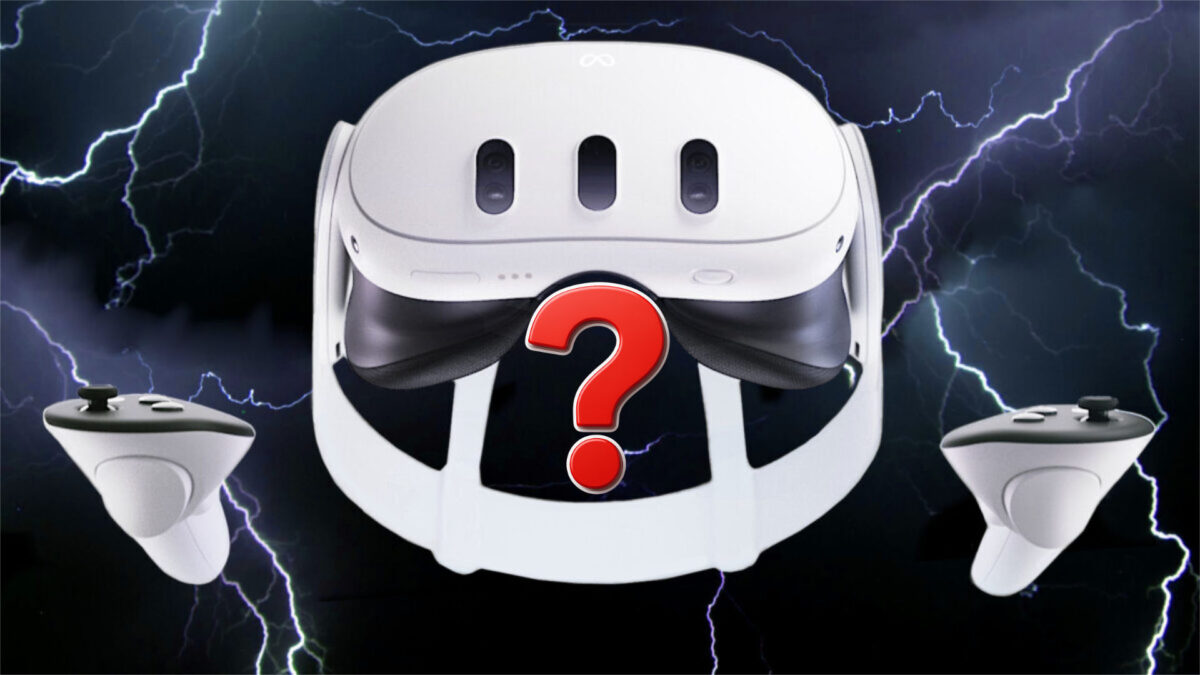
Meta’s VR campaign wasn’t so much ecosystem-building as it was ecosystem-overclocking. The original Oculus Rift stood for open, PC-based innovation—but its DNA was spliced and mutated into the Quest, a closed, mass-market device entirely under Meta’s control. Flooded with Meta’s cash, the Quest was sold below cost and equipped with a Meta-owned app store. The focus shifted to free-to-play games and shallow social experiences, more reminiscent of Roblox than the transformative VR that early adopters imagined. Predictably, high-end PC VR got pushed to the sidelines, core enthusiasts felt alienated, and independent developers watched their autonomy evaporate. Genuine competition was squeezed out at every turn.
HTC, Sony, and Valve all had to either play by Meta’s rules or get out of the way. If you weren’t willing to sell hardware at a loss, you were toast. If your game didn’t get a slot on Meta’s store, it might as well not exist. Meanwhile, the creative bar kept dropping: technical ambition gave way to disposable, bite-sized fare. Outliers like Walkabout Mini Golf VR, or the occasional big-budget Meta project—likely the last of their kind—were rare exceptions.
A Bang, Not a Whimper
Meta’s sudden retreat isn’t just corporate course correction—it’s an existential shock for the whole industry. Who’s going to double down on a technology that just lost its sugar daddy? Developers who built their businesses on Meta’s ecosystem—funding, marketing, platform access—are suddenly standing on quicksand.
But here’s the twist: this rupture might be the very thing VR has needed all along. With Meta’s gravitational pull gone, the original drivers of VR could finally get back in the game. Valve, for example, couldn’t have picked a better time to roll out their Steam Frame sequel to the Valve Index. The PC might reclaim its spot as the VR platform of choice. Burned-out enthusiasts could come home, and Quest users left in the lurch may rediscover SteamVR’s open ecosystem. Google and Samsung are back at the table with Android XR and Galaxy XR, and—if we’re very, very lucky—maybe Sony will take another swing with PlayStation VR3.
Will this all lead to a stable, healthy market or just more fragmentation? That’s anyone’s guess. What’s certain: the era of one company promising to deliver “the future” is over. Now, for the first time in a decade, the VR industry has a real shot at growing up on its own terms. Meta didn’t kill VR. But it kept it from maturing. Now, the rest of the industry finally gets its turn.
Further reading:
- Reality Labs cuts: Meta lays off 15,000 employees (heise.de)
- Meta shuts down Twisted Pixel, Armature, and Sanzaru Games (UploadVR)